Ranked: The 5 Best Smartwatches for Men Over 50 in 2026
Most smartwatch rankings are written for 30-year-old runners. We compared five popular watches on what matters after 50: battery, real cost, a screen you can read without hunting for your glasses, and everyday health tracking. The winner costs less than a third of an Apple Watch.
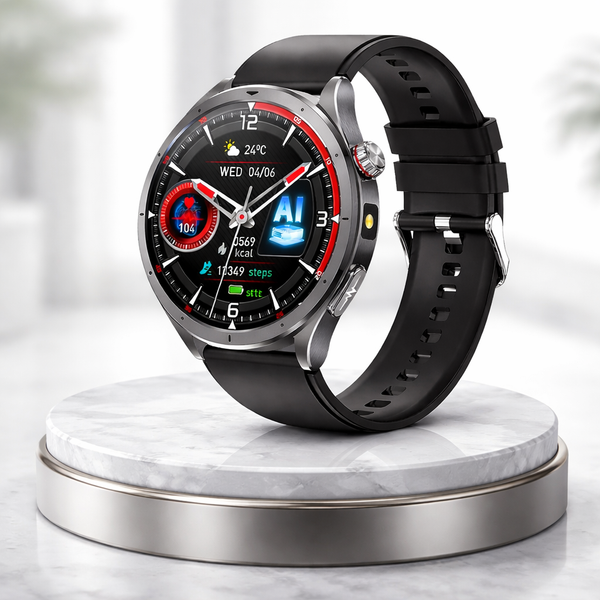
LifeWatch™ 2.0 AI Health Smartwatch
- 7–10 days of battery on a regular charge
- No monthly fees, ever
- Heart rate, SpO2 and sleep tracking 24/7
- Glucose and blood pressure trend charts, plus a plain-English AI daily summary*
Free tracked shipping · 100-day replacement guarantee
*Wellness trends. Not a medical device.
How we ranked them
We looked at the four things that matter most after 50, using each maker’s published prices and specs.
At a glance
 LifeWatch™ 2.0 |
Apple Watch Series 12 | Samsung Galaxy Watch8 | Garmin Venu 4 | Fitbit Versa 4 | |
|---|---|---|---|---|---|
| Price (USD) | $119 | From $399 | From $299.99 | From $549.99 | $159.95 |
| Monthly fee | None, ever | None required | None | Optional $6.99/mo (Connect+) | Optional $9.99/mo (Premium) |
| Battery (rated) | 7–10 days | Up to 24 hours | Up to 30 hours | Up to 12 days | 6+ days |
| Works with | iPhone + Android | iPhone only | Android only | iPhone + Android | iPhone + Android |
| Water | Splash-resistant (no swimming) | Swim-rated | Swim-rated | Swim-rated | Swim-rated |
Watch icons are illustrations, not product photos. Prices are the makers’ published US prices in November 2026; retailer sales vary. Battery figures are the makers’ own ratings and depend on settings.
Rated battery life
Price of the watch (USD)
Why daily trends matter after 50
A single reading tells you very little. A trend tells you a lot. The watches on this list all count steps and heart rate. LifeWatch is the one built around daily trend charts: heart rate, blood oxygen, sleep stages, and glucose and blood pressure wellness trends charted through the day and week, with a short plain-English summary of what changed. You can show those charts to your healthcare provider.
LifeWatch is a wellness device, not a medical device. It is not intended to diagnose, treat, cure or prevent any disease.
The ranking
LifeWatch™ 2.0
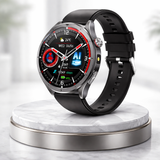
This is the one that surprised us. It costs less than a third of the Apple Watch and covers the everyday health basics better than watches that cost up to four times as much.
- Battery: 7–10 days of regular use, up to 15 days on standby. Charge it about once a week.
- Real cost: $119 is the whole bill. No subscription. The free companion app works on iPhone and Android.
- Screen: a bright 1.53" HD display with simple menus.
- Tracking: heart rate, HRV, SpO2 and sleep stages around the clock, plus glucose and blood pressure trends and body composition.
- Extras: Bluetooth calls from your wrist and a one-press SOS contact.
- Splash-resistant only. Fine for hand washing and light rain, not for swimming or the shower.
- Garmin’s battery is rated a little longer, at up to 12 days.
- It is a health-first watch, not a full app-store smartwatch. If you want to install apps or pay from your wrist, look at the Apple Watch.
Good to know: free tracked shipping, delivery within 8–10 days, 100-day replacement guarantee. Fits most wrists from 5 to 8.5 inches.
See Today’s Price on LifeWatch 2.0 →Garmin Venu 4
Good: up to 12 days of battery on the 45 mm and some of the deepest training analysis you can buy. Why not higher: it costs more than four times our winner, and most of what it adds is aimed at athletes.
Apple Watch Series 12
Good: the most capable smartwatch you can buy, with an app store and tight iPhone integration. Why not higher: a 24-hour battery means charging every night, and it only works with an iPhone.
Samsung Galaxy Watch8
Good: a polished Wear OS watch with strong sensors and a sharp display. Why not higher: Samsung rates the battery at up to 30 hours with the always-on display on, so expect to charge it every day or two, and it only works with Android phones.
Fitbit Versa 4
Good: simple, familiar and a decent battery. Why not higher: it launched in 2022, its battery drops to about 3 days with the always-on display, and several deeper insights sit behind the optional Premium plan.
What they really cost over two years
| Watch price | Optional fees, 2 years | 2-year total | |
|---|---|---|---|
| LifeWatch™ 2.0 | $119 | $0 | $119 |
| Samsung Galaxy Watch8 | From $299.99 | $0 | From $299.99 |
| Apple Watch Series 12 | From $399 | $0–$239.76 | From $399 |
| Fitbit Versa 4 | $159.95 | $0–$239.76 | $159.95–$399.71 |
| Garmin Venu 4 | From $549.99 | $0–$167.76 | $549.99–$717.75 |
Optional plans shown at the monthly rate: Garmin Connect+ $6.99/mo, Apple Fitness+ $9.99/mo, Fitbit Premium $9.99/mo. Based on each maker’s published prices in November 2026.
Check Today’s Price →The verdict
If money is no object and you live on your iPhone, buy the Apple Watch. If you train like an athlete, buy the Garmin.
For everyone else, LifeWatch 2.0 is the easy call: a week or more of battery, a screen you can actually read, daily health trends and a plain-English AI summary, and $119 is the last time you pay for it. There is a 100-day replacement guarantee and free tracked shipping. Buy two and save 20%.
What owners say
“Honestly impressed. I bought it for my dad and ended up getting one for myself. It looks stylish but also tracks a lot of useful health data. The AI health analysis summary is a nice bonus”
Ozella Keeling“I like checking my health stats throughout the day without going to a clinic. Of course, I don't replace my medical tests, but for daily monitoring this is very convenient. The battery easily lasts 4–5 days for me.”
Tia O'ConnerQuestions men ask before buying
Will it work with my phone?
Yes. Download the free LifeWatch companion app from the App Store or Google Play, turn on Bluetooth and follow the pairing steps.
Is there a monthly fee?
No. There is no subscription. The companion app is free.
Does it measure blood pressure and glucose?
LifeWatch charts blood pressure and glucose wellness trends over time using its optical sensors. It is a wellness device, not a medical device. It is not intended to diagnose, treat or prevent any condition, and it does not replace a blood pressure cuff, a glucose meter or your doctor’s advice.
How long does the battery last?
7–10 days of regular use on a single charge and up to 15 days on standby, depending on your settings. A full charge takes about 1.5 hours with the included magnetic USB cable.
Is it waterproof?
It is splash-resistant: fine for hand washing or light rain, but not for swimming, showering or submersion.
Will it fit my wrist?
The band fits most wrists from 5 to 8.5 inches. Replacement bands are available in our store.
How long does shipping take?
Shipping is free and tracked. Orders are delivered within 8–10 days, and you get a tracking link by email as soon as your order ships.
What if I don’t like it?
Every LifeWatch comes with a 100-day replacement guarantee: if it isn’t working properly or arrives damaged, email info@the-life-watch.com with a short video of the issue and we will send a free replacement. See our refund policy for full details.
Ready to see for yourself?
Free tracked shipping · No monthly fees · 100-day replacement guarantee
Get LifeWatch™ 2.0 — $119 →This page is a sponsored advertorial for informational and promotional purposes. Competitor prices and specifications are taken from each maker’s published information as of November 2026 and may change; product names are trademarks of their respective owners, and the watch icons on this page are generic illustrations. LifeWatch is a wellness device, not a medical device. It is not intended to diagnose, treat, cure or prevent any disease. Consult your healthcare provider for medical advice.